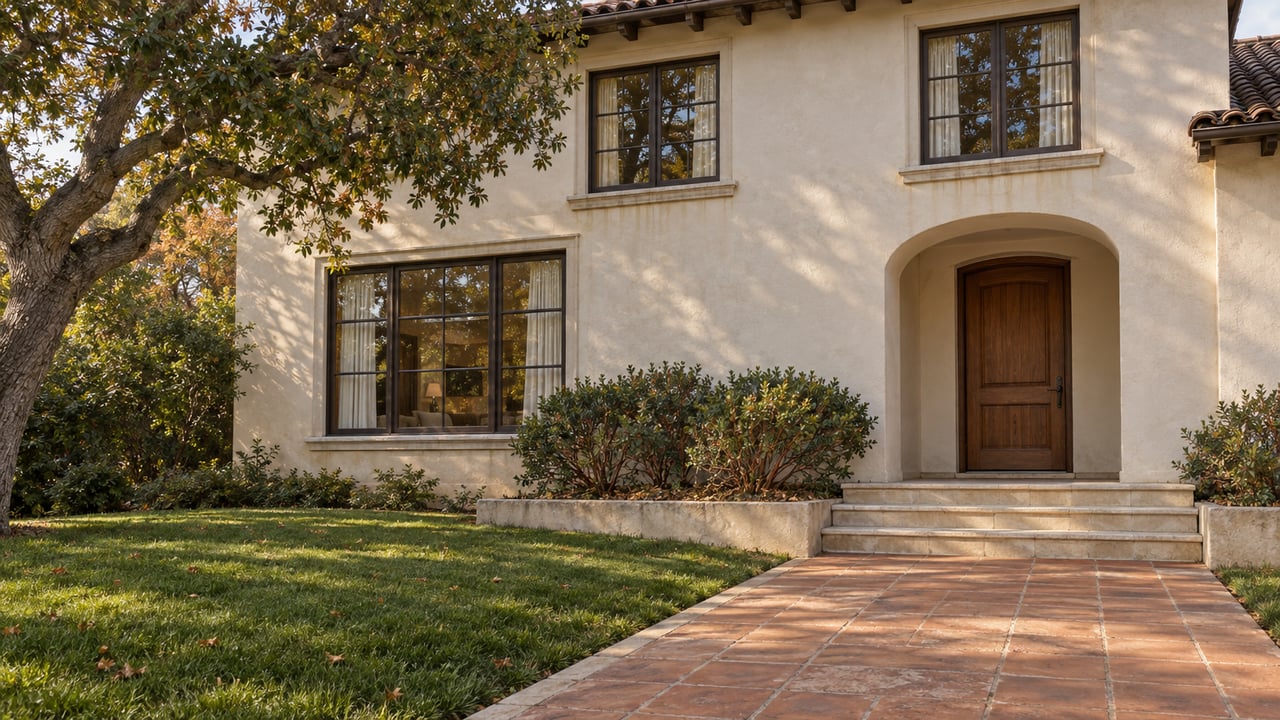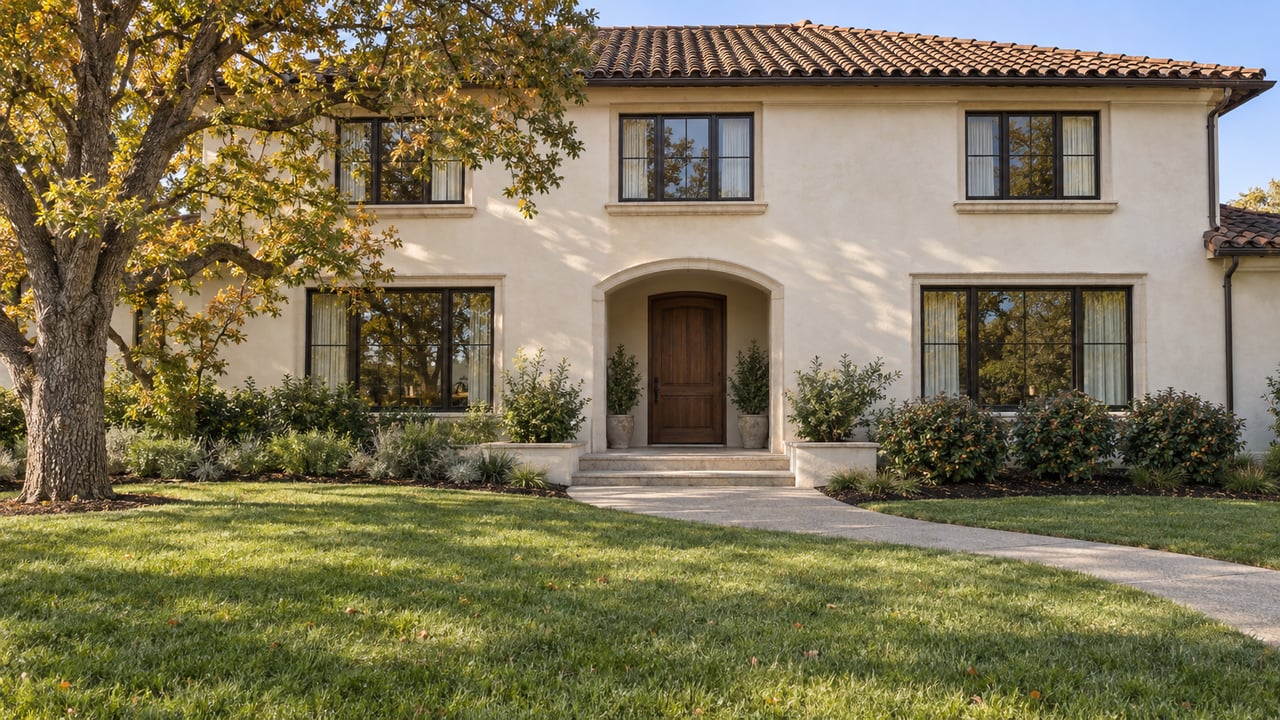
Picture two townhomes. Same floor plan, same three bedrooms, same $1.8 million price tag. One sits in an established Cupertino neighborhood that was built out long before Community Facilities Districts became a standard financing tool. The other is a newer unit in Rivermark, the master-planned Santa Clara community that put itself on the map with walkability to Rivermark Plaza and a short drive to Google, Apple, and NVIDIA campuses. On paper, the two homes are the same purchase. On your tax bill, they are not even close.
The gap is a special assessment called Mello-Roos, and it is the single line item that most reliably blows up a Santa Clara County buyer's monthly budget after the offer is already accepted. It does not appear in the listing price. It rarely comes up during a showing. And because of how the tax is structured, it does not behave the way most buyers assume a tax should behave.
The Math Nobody Puts on the Listing Sheet
Your base property tax under Proposition 13 is a percentage: roughly 1% of assessed value, plus voter-approved bonds that typically bring the effective rate to somewhere between 1.10% and 1.25% in most established Santa Clara County neighborhoods. That number scales with price. A more expensive house pays more tax. Buyers internalize this and assume the same logic applies to everything on the bill.
Mello-Roos breaks that assumption. A Community Facilities District assessment is a fixed dollar amount tied to the parcel, not a percentage of what you paid. In Santa Clara County, these annual assessments commonly run from $1,500 to $7,500 or more, depending on the specific district. That flat structure means the same $4,000 CFD charge lands very differently depending on what it is attached to. On a $2.5 million estate, it barely moves the needle. On an entry-level condo in the same district, it can add real strain to a monthly payment that was already stretched to qualify.
This is the part that catches people off guard: the newer, often lower-priced product in a master-planned community can end up costing more per month than an older, pricier resale home a few miles away that has no CFD at all. The sticker price tells you the opposite story.
A Mello-Roos bill does not care what you paid for the house. It cares what year your neighborhood was built.
Where the Bill Shows Up, and Where It Doesn't
Santa Clara County's Mello-Roos exposure is not evenly spread. It clusters in the places that grew through large-scale, planned development after Proposition 13 changed how cities could fund new infrastructure. Rivermark in Santa Clara, Communications Hill in San Jose (a 332-acre hilltop community south of downtown with its own multi-phase build-out still adding units), and newer tracts in Milpitas and North San Jose are the areas where a CFD line item is common. Most of Cupertino's older, already-built-out neighborhoods carry no CFD exposure at all, and the same is generally true of older sections of Sunnyvale and Mountain View, though newer condo and townhome developments in those cities are not automatically exempt.
Here is roughly how that plays out in effective tax rate:
| Area type | Effective annual tax rate |
|---|---|
| Established resale neighborhoods (older Cupertino, Sunnyvale, Mountain View) | 1.10% to 1.25% |
| Newer CFD communities (Rivermark, Communications Hill, North San Jose, Milpitas tracts) | 1.40% to 1.80% |
On a $2 million purchase, that spread is the difference between a $22,000 and a $32,000 annual tax bill. That is a swing of roughly $10,000 a year that never shows up when you are comparing list prices side by side, and it is exactly the kind of gap that surfaces after a buyer has already gone under contract and started reviewing disclosures.
Finding Out Before You Write the Offer
The good news is that this is checkable in minutes, not days, if you know where to look.
- Pull the parcel's tax detail from the county assessor's site using the property's APN. The Assessor Parcel Number appears in the MLS listing. The current tax bill will itemize every line, and any CFD or Community Facilities District name is your Mello-Roos flag.
- Read the preliminary title report once you are in contract. This document lists every special assessment tied to the land, independent of what the listing agent has told you.
- For new construction specifically, request the CFD disclosure required under California law.
None of these steps require a specialist. They require knowing the CFD line item exists and asking for it before you fall for the floor plan.
The Sunset Date Is a Negotiating Chip
Mello-Roos bonds are not permanent. Most are structured to run 20 to 40 years from the date the district was formed, and the tax disappears once the bonds are paid off. That means the CFD's remaining term is not a footnote, it is a real variable in what you are actually buying.
A property with four years left on its CFD bond is a meaningfully different carrying-cost picture than an otherwise identical unit with twenty years remaining, even if both currently show the same dollar amount on the tax bill. The resolution document that created the district, available through the city or county that formed it, states the exact expiration date and any built-in escalation in the annual charge. If you are comparing two units in the same complex, or negotiating on a home that is close to its CFD sunset, that maturity date is worth raising at the table. A buyer several years out from that payoff is quietly buying future savings the current owner has already priced into their expectations.
The 2026 Tax Law Wrinkle That Doesn't Save You
JVM Lending says the federal SALT deduction cap rose to $40,000 for the 2026 tax year, up from the old $10,000 ceiling, and it is tempting to assume that change absorbs a Mello-Roos bill. It mostly does not, at least not in Santa Clara County. Between the base 1% property tax and California's state income tax, most homeowners here who are buying at these price points reach the $40,000 cap well before a CFD assessment enters the picture. The honest planning assumption is that whatever your CFD costs you, you should budget it as a straight addition to your monthly housing cost, not as a line item a bigger deduction will quietly erase.
A Word on Timing
The county's median sale price sat close to $1.6 million over the three months ending in July 2026. Whatever the market is doing month to month, the CFD question does not change: it is one of the easier things to catch early in a transaction and one of the most expensive things to discover late.
Frequently Asked Questions
Does every new construction home in Santa Clara County have Mello-Roos? No. Exposure depends on whether the specific development formed a Community Facilities District, and that varies by city and even by phase within the same master-planned community. Always verify by parcel rather than assuming based on the neighborhood's reputation.
Does Mello-Roos transfer to a new buyer when a home resells? Yes. The California Department of Real Estate's 2026 code excerpts describe the property as subject to a continuing lien for Mello-Roos, so the assessment passes to whoever buys the property next, along with however many years remain on the bond.
Can a Mello-Roos assessment increase over time? Some districts include an escalation clause up to a stated maximum. That maximum, along with the escalation schedule, is part of the disclosure documents for new construction and is worth reading in full rather than skimming.
Whether you are comparing a Rivermark townhome to a Cupertino resale, or trying to figure out what a specific San Jose parcel actually costs to carry long term, the tax bill deserves the same scrutiny as the inspection report. If you want a second set of eyes on a Santa Clara County address before you write an offer, Felicia Duncan can help you pull the numbers that the listing sheet leaves out.
This article is general information, not legal, tax or financial advice. Consult a qualified professional about your situation.