Getting your Alameda County home ready to list can feel like a second job. You want a strong debut, fewer surprises in escrow, and a smooth process that respects local rules. This guide breaks down what full-service listing prep really means in Alameda, Oakland, Berkeley, and nearby East Bay cities, including legal must-dos, vendor sequencing, permits, tenant considerations, media, and timelines. By the end, you’ll know what to expect and how a coordinated plan sets you up for a confident launch. Let’s dive in.
Full-service listing prep, defined
Full-service listing prep is an agent-led, start-to-finish plan that coordinates assessments, disclosures, repairs and permits, staging, media, and pre-market outreach so your home is launch-ready on a chosen date. The goals are simple: reduce surprises during escrow, maximize buyer appeal online and in person, and shorten time on market or improve net proceeds by limiting price negotiations tied to inspections.
Typical deliverables include:
- A written pre-list plan and timeline
- Required disclosure forms and safety certifications
- Pre-listing inspections and estimates (as needed)
- Repair invoices and permit signoffs
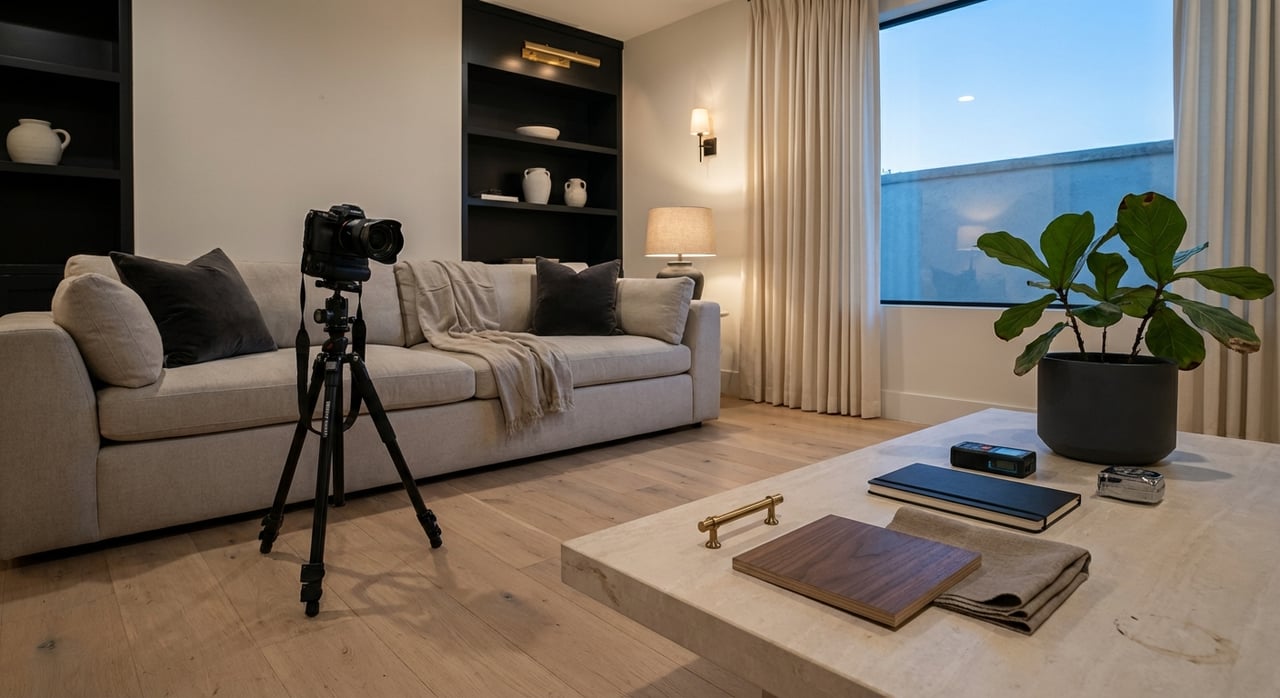
- Professional staging and photography, with 3D tours or video as appropriate
- A pre-market strategy and compliant MLS launch plan
Required disclosures and safety items
TDS and NHD: the must-have forms
California requires sellers of 1–4 unit residential properties to deliver a Transfer Disclosure Statement. Late delivery can give buyers a rescission window, so timing matters. Review what the Transfer Disclosure Statement covers as you plan your prep.
You also need to disclose whether the property lies in state-mapped hazard areas. Many sellers order a third-party report to help complete the form. Learn what appears on the Natural Hazard Disclosure statement.
Safety certifications to confirm
Most sales in California require sellers to certify that the water heater is properly braced and that smoke and carbon monoxide alarms are installed and working. Your agent will help you verify and document these items early so they do not become last-minute delays.
Lender expectations and smart inspections
Termite/WDO: avoid late surprises
Many loans, including VA and some FHA or conventional programs, may require termite inspections and clearances in termite-prone areas. Ordering a WDO report early keeps you on schedule and prevents closing delays. See how VA loans often address termite inspection requirements.
Seller-paid pre-listing inspections
A seller inspection can help you decide whether to fix issues now, disclose and price accordingly, or plan targeted credits. Industry leaders outline why seller inspections streamline deals. Explore guidance on pre-listing inspections.
The step-by-step plan
1) Initial consult and written plan
Your agent walks the property, prioritizes updates room by room, and sets a target launch date. A good plan flags likely permit triggers and any tenant or HOA constraints early. For Alameda properties, the city’s Permit Center helps you check permit history and submittal needs.
2) Pre-listing inspections and reports (week 0–1)
Common items include a general home inspection, termite/WDO report, sewer scope for older lines, roof evaluation, and HVAC service. The result is a prioritized list of fixes with estimates. You then choose whether to complete repairs now or disclose and adjust pricing.
3) Permits and historic checks (ongoing)
Your agent reviews permit history and confirms if planned work requires new permits. In Alameda, many exterior changes to historic resources need a Certificate of Approval through Planning. Start here if your home may be historic: Alameda Historic Preservation. Always verify contractor licensing and insurance. You can confirm license status on the Contractors State License Board.
4) Repairs, safety fixes, documentation (week 1–4)
Typical items include electrical or plumbing corrections, HVAC servicing, roof patching, water-heater strapping, smoke/CO alarms, termite treatment, and light cosmetic work like paint and flooring touch-ups. Keep all invoices and permit finals. Your disclosure packet should reflect completed work.
5) Staging, declutter, and deep clean (1–7 days)
Staging highlights key rooms like the living area, kitchen, and the primary bedroom. Research from NAR associates staging with faster sales and stronger offers in many markets. See the latest NAR report on home staging to understand potential impact.
6) Professional media and tours (schedule + editing)
Your media package can include pro photography, floor plans, a 3D Matterport tour, a short listing video, and aerials when appropriate. Agents typically use insured, credentialed providers and plan media around the staging date.
7) Pre-market buzz and MLS timing
Your agent may preview the listing to qualified buyers, share with their database, host broker previews, and use targeted social content. Public marketing must follow MLS rules. NAR’s Clear Cooperation policy requires most publicly marketed listings to be in the MLS within one business day. Your agent will align your coming-soon choices with local MLS options in writing.
8) Launch, showings, and open houses
Your listing goes live with complete disclosures and polished media. Showing windows, access instructions, and home-care guidance keep the property easy to visit and photo-ready.
East Bay specifics sellers should know
Historic properties in Alameda
If your home is a designated resource or in a historic district, exterior work may require a Certificate of Approval through Planning. Build in extra time and consult early. Start with the city’s Historic Preservation page to check status and next steps.
Local permit lookups and timing
Use Alameda’s Permit Center portal to search records and see whether your scope needs permits or plan review. Timelines vary by city and project size, so your agent will set realistic expectations and sequence work to protect your launch date.
Tenant and rent rules that affect showings and possession
- Alameda: The City’s Rent Program regulates registration, buyouts, and certain rent-back or eviction scenarios. If units are occupied, review the city’s Rent Program policies and ordinances early.
- Oakland: Many units fall under rent stabilization and just-cause protections, with registration and relocation requirements. Your agent will coordinate a legal review before any buyout or owner move-in steps.
- Berkeley: Strict rent-stabilization rules and a Tenant Buyout Ordinance regulate offers and timelines. Expect formal disclosures and a possible rescission window.
The bottom line: If a property is tenant-occupied, start the rent-program review at day one. It shapes timing, showings, and cost.
Timelines and budgets: what to expect
Every property is different, but here is a practical baseline for Alameda County:
- Fast prep: 1–2 weeks for cosmetic touch-ups, cleaning, light staging, and media.
- Standard prep: 2–6 weeks for minor repairs, professional staging, and full media.
- Major prep: 6–12+ weeks if permits, historic reviews, or larger repairs are needed.
Inspection pricing in the Bay Area often trends higher than national averages, and upgrades like sewer scopes or roof certifications add cost. Your agent will turn inspection findings into clear bids and a right-sized plan before authorizing work.
What your agent should deliver
- A written pre-list plan with timeline and budget
- A complete disclosure packet: TDS, NHD, water-heater/smoke/CO certifications, termite/WDO report, and relevant permits or receipts
- Pre-listing inspection reports and a repair log with invoices and finals
- Professional staging, photography, and optional 3D tour or video
- A compliant marketing plan with a documented MLS strategy
- A showing plan and, if applicable, a tenant-coordination plan aligned with local rules
How Felicia guides your full-service prep
You deserve a steady point person who brings East Bay experience, vendor know-how, and team-scale marketing. With a client-first approach, Felicia leads your pre-list plan, connects you with vetted inspectors and licensed contractors, sequences staging and media, and ensures your disclosures and permits are in order. She uses modern marketing systems and portal visibility to maximize exposure while staying compliant with MLS policy. If your property is historic or tenant-occupied, she coordinates the right steps and timelines so you launch with confidence.
Ready to see what your home could sell for and map your timeline? Connect with Felicia Duncan to get a tailored plan.
FAQs
What is included in full-service listing prep in Alameda County?
- A coordinated plan covering disclosures, inspections, repairs and permits, staging, professional media, and a compliant marketing and MLS launch strategy.
Which disclosures are legally required before listing my Alameda home?
- California requires the Transfer Disclosure Statement and the Natural Hazard Disclosure; your agent will assemble these and time delivery to protect your transaction.
How do termite/WDO inspections affect my sale?
- Many loans may require a termite report and clearance, so ordering WDO early prevents last-minute delays and helps you decide on repairs, credits, or pricing.
Should I pay for a pre-listing home inspection?
- A seller inspection can surface issues early, support accurate pricing, and reduce renegotiation risk by letting you repair or disclose upfront.
What if my property is tenant-occupied in Alameda, Oakland, or Berkeley?
- Local rent programs regulate buyouts, notices, registration, and move-in timelines; start a compliance review at day one to plan showings and possession.
How do historic rules change prep for a home in Alameda?
- Exterior changes to designated historic resources often need a Certificate of Approval, so plan extra time and coordinate with Planning before starting work.
Do I need permits for pre-list repairs?
- It depends on scope; your agent will review past records, confirm current requirements, and help you sequence any necessary permit applications and inspections.
How are contractors vetted during listing prep?
- Verify licensure, bonding, and insurance, request references, and get scope and permit responsibility in writing; use the state licensing board to confirm status.