If you are thinking about selling in Contra Costa County, speed matters more than many sellers realize. With a median 17 days on market, a 101.9% sale-to-list ratio, and nearly half of homes selling above list, your home needs to feel ready the moment it hits the market. The good news is that a smart prep plan can help you make a stronger first impression, reduce surprises, and launch with confidence. Let’s dive in.
Why prep matters in Contra Costa County
Contra Costa County is moving at a relatively fast pace right now. In a market like this, buyers often make quick decisions based on what they see online and how complete a listing feels from day one.
That means preparation is not something to squeeze in after photos are taken. The most effective approach is to treat your sale like a launch, with repairs, disclosures, staging, and marketing lined up before the listing goes live.
Start with disclosures and due diligence
In California, disclosures are a core part of the selling process. Sellers are expected to disclose the property's physical condition, along with known hazards or defects, and the agent also has a duty to visually inspect and disclose readily observable issues.
Before your home goes on the market, gather the paperwork that helps explain its condition. That can include repair receipts, warranties, notes on past work, and any records that help a buyer understand what has been updated or maintained over time.
Check natural hazard information early
California's Natural Hazard Disclosure rules apply when a property is located in mapped hazard areas, including certain flood, fire, earthquake fault, or seismic hazard zones. In Contra Costa County, this step is especially important because hillside and fire-prone areas may require closer review.
Contra Costa County Fire Protection District says updated Fire Hazard Severity Zone maps became effective on July 10, 2025. If your property may be affected, review its designation early so your disclosure package is accurate and complete.
Review permit history before listing
If you have made visible improvements, it is wise to confirm the permit history before launch. This is especially relevant for additions, garage conversions, window replacements, foundation work, retaining walls, remodels, or structural repairs.
Contra Costa County accepts digital permit submittals through its ePermit Center, and its permit guidance covers many of the improvements sellers commonly ask about. Checking this early can help you answer buyer questions more clearly and avoid delays once escrow begins.
Order HOA documents right away
If you are selling a condo or townhome, do not wait on HOA paperwork. California law requires sellers of separate-interest properties to provide governing documents, fee and assessment information, unpaid balances, violation notices, and other association materials before transfer.
The association must provide requested documents within 10 days, but that timeline can still slow down your launch if you wait too long. Ordering the HOA package early helps keep your first week on market focused on showings, not paperwork.
Focus on visible condition first
For most sellers, the goal is not a major remodel. The more practical strategy is usually to improve visible condition, remove distractions, and make the home feel clean, cared for, and easy to picture living in.
National staging and remodeling research supports this approach. Common pre-list recommendations include decluttering, whole-home cleaning, curb appeal work, and fresh paint, with painting among the most frequently recommended updates before listing.
Prep priorities for older ranch homes
If you own an older single-family home, start with the basics that shape first impressions. Fresh paint, tidy landscaping, a neutral presentation, and fixing obvious maintenance issues often do more for marketability than taking on a large renovation right before selling.
Buyers tend to notice what feels unfinished. A dripping faucet, damaged trim, worn walls, or neglected exterior areas can make a home feel like more work, even if the major systems are fine.
Prep priorities for condos and townhomes
For condos and townhomes, the best prep plan often has two goals. First, make the interior feel brighter, cleaner, and more spacious. Second, make it easy for buyers to review HOA information without confusion.
In smaller or shared-wall homes, layout and light matter a lot. Streamlined furniture, fewer personal items, and clean surfaces can help rooms look more open in person and in photos.
Prep priorities for newer subdivisions
If your home is in a newer community, you may not need many repairs, but presentation still matters. Buyers are often comparing similar floor plans, similar square footage, and similar community features.
That makes small details more important. Clean landscaping, touch-up paint, polished finishes, and a complete disclosure package can help your home stand out when buyers are evaluating close alternatives.
Stage for photos, not just showings
Today’s buyers usually start online, and photos remain one of the most useful listing features. That means your home should be fully camera-ready before the listing goes live.
Staging can help with both appearance and speed. According to NAR's 2025 home staging findings, 49% said staging reduced time on market, and 29% said it increased the dollar value offered by 1% to 10%.
Stage the rooms buyers notice most
The most commonly staged spaces are the living room, primary bedroom, dining room, and kitchen. These are also the rooms that often shape a buyer's first emotional response to a home.
You do not always need to stage every room. In many cases, focusing on the most visible spaces creates the best return, especially if the goal is to improve photos and help buyers understand scale and flow.
Keep the look simple and neutral
A clean, edited look usually works best. Remove excess furniture, clear countertops, minimize personal photos, and create open walking paths so each room feels functional and calm.
If you are still living in the home, think of it less like decorating and more like preparing a model home. Buyers should be able to notice the space itself, not the stuff in it.
Use the right launch sequence
In a fast-moving market, the order of operations matters. The strongest listing launches usually follow a clear sequence so nothing feels rushed or incomplete.
A practical sequence for Contra Costa County is:
- Finish repairs
- Complete cleaning and decluttering
- Stage the home
- Photograph the property
- Finalize disclosures and documents
- Go live with a complete marketing package
This approach supports a cleaner debut across MLS exposure, digital listing pages, and the first open house weekend. It also helps reduce the chance that buyers see outdated photos, unfinished work, or missing information.
Do not overlook exterior prep
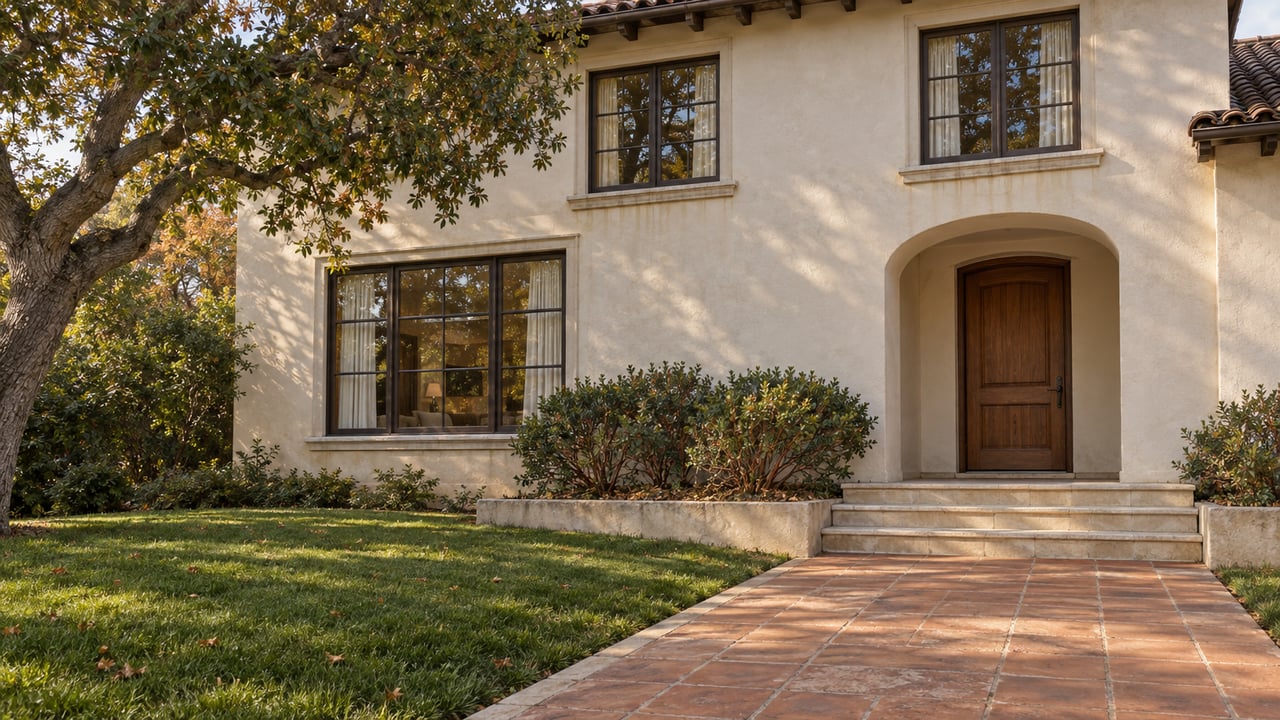
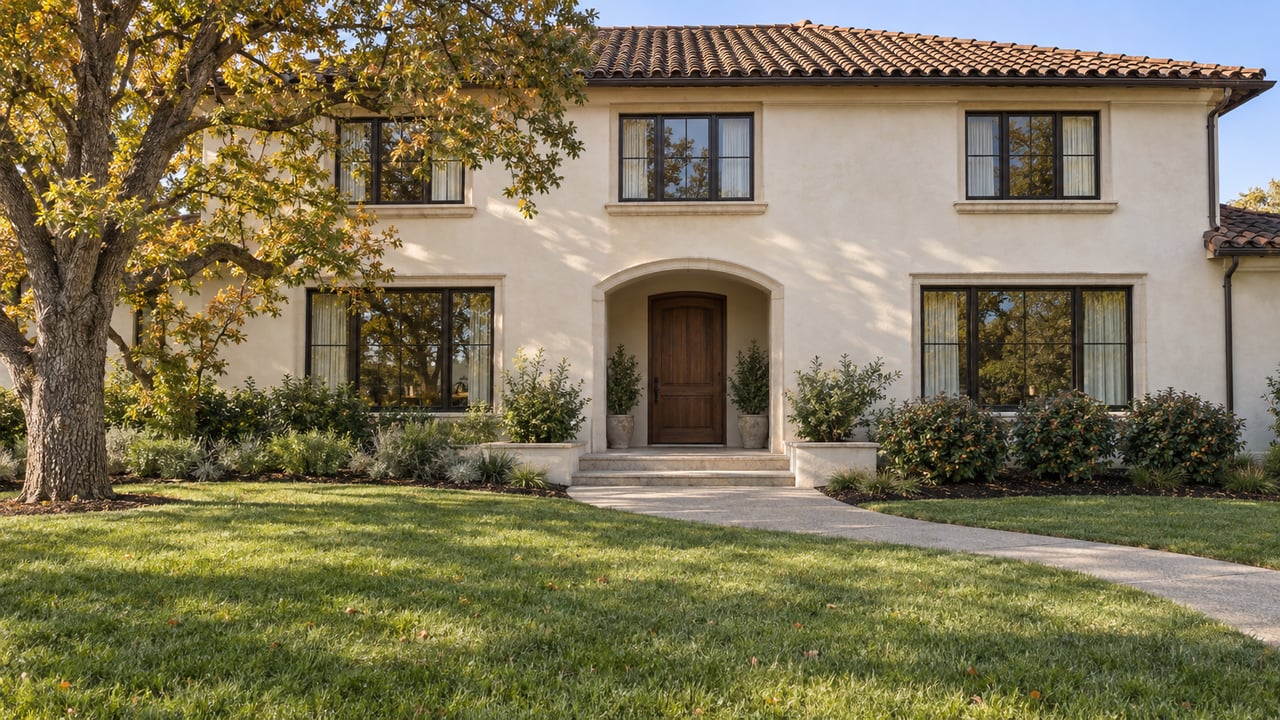
The exterior sets the tone before buyers even walk inside. Basic curb appeal work can include mowing, trimming, sweeping, pressure washing where appropriate, and making sure the front entry feels clean and welcoming.
If your home is in a brush-adjacent or fire-prone area, exterior prep should also include defensible-space work. CAL FIRE describes defensible space as the buffer between a structure and the surrounding area, and it highlights the first five feet around the home as especially important.
Clear the first five feet
For sellers in areas with wildfire exposure, this zone deserves extra attention. Recommended actions include removing combustible mulch, dead vegetation, and debris near the home.
This kind of prep can improve presentation and support safer property conditions. It also helps buyers see that the property has been maintained with local conditions in mind.
What buyers want from day one
Sellers often focus on the home itself, but buyers are also reacting to how easy the listing is to understand. In an online-first market, strong presentation and complete information work together.
Research shows that sellers most want help marketing the home, pricing it competitively, and selling within a specific timeframe. That is where a clear prep plan matters. When your home is cleaned up, documented, staged, and professionally launched, you are in a better position to attract serious interest right away.
A smart prep plan reduces stress
Preparing your Contra Costa County home for sale is not about doing everything. It is about doing the right things in the right order, based on your property type, condition, and timeline.
Whether you are selling a condo, a ranch home, or a newer property in a planned community, the goal is the same: present the home well, organize the paperwork early, and launch with as few loose ends as possible. That is how you create momentum from the start.
If you are getting ready to sell and want hands-on guidance on pricing, prep, and marketing, connect with Felicia Duncan. You will get a practical plan tailored to your home, your timeline, and your local market.
FAQs
What should you do first when preparing a Contra Costa County home for sale?
- Start with disclosures, repair records, permit history, and any HOA documents if the property is in a common-interest community.
How fast is the Contra Costa County housing market right now?
- Redfin reported a median 17 days on market, a median sale price of $837,488, and a 101.9% sale-to-list ratio for the three months ending May 2026.
What rooms matter most when staging a Contra Costa County home?
- The living room, primary bedroom, dining room, and kitchen are the most commonly staged rooms and often have the biggest impact on listing photos.
Do you need HOA documents before selling a Contra Costa County condo or townhome?
- Yes. California law requires sellers to provide key HOA materials, including governing documents, fee information, and certain notices before transfer.
Should you check permits before listing a Contra Costa County home?
- Yes. It is smart to review permit history for additions, conversions, structural work, window replacements, retaining walls, and similar visible improvements.
What exterior work matters most for a Contra Costa County listing?
- Focus on curb appeal, general cleanup, and, if the home is in a fire-prone area, defensible-space work around the structure, especially within the first five feet.