Thinking about moving to Contra Costa County? It can be a smart move, but the right answer depends on how you want to live day to day. If you are weighing space, commute, budget, and lifestyle in the East Bay, this guide will help you understand what Contra Costa County really offers and where it may or may not fit your goals. Let’s dive in.
Why Contra Costa County Stands Out
Contra Costa County is not just one type of place. County planning documents describe it as a mix of dense urban neighborhoods, traditional suburbs, and rural or agricultural communities, which means your experience can vary a lot depending on where you land.
That matters if you are comparing the county to Oakland, Berkeley, San Francisco, or other Bay Area markets. One area may feel transit-oriented and compact, while another may feel more residential with larger lots and a quieter pace.
Housing in Contra Costa County
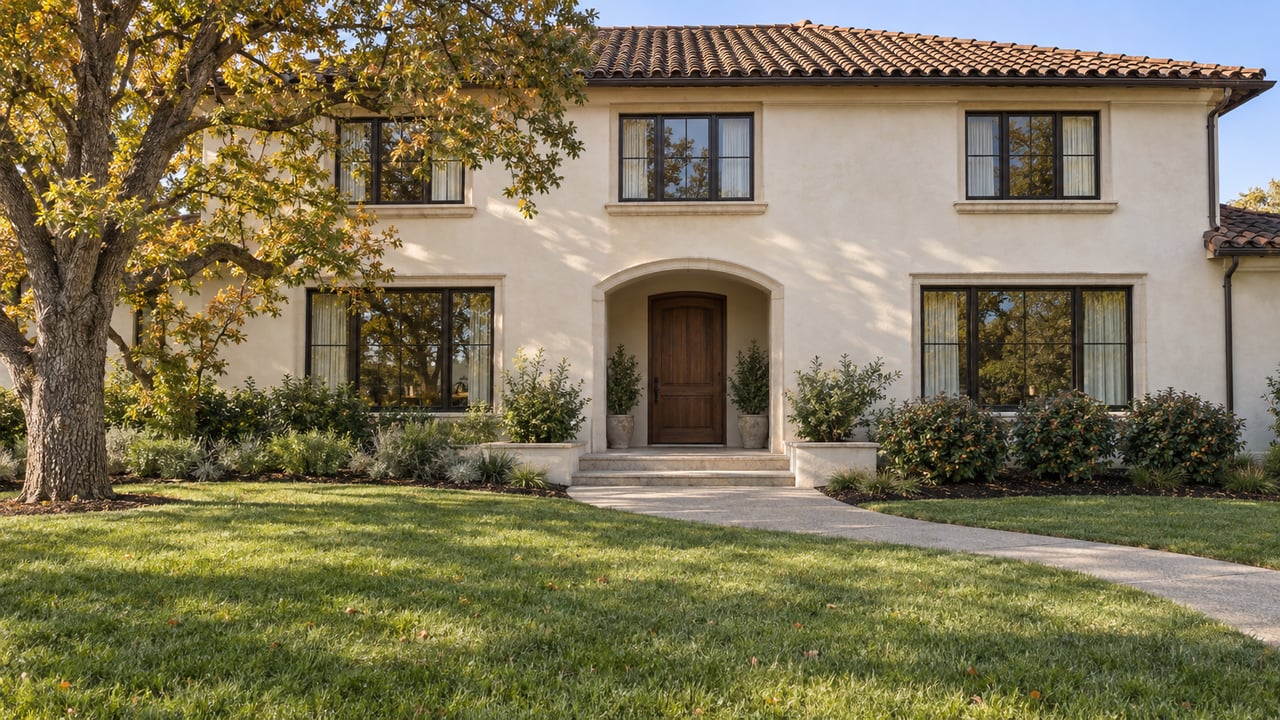
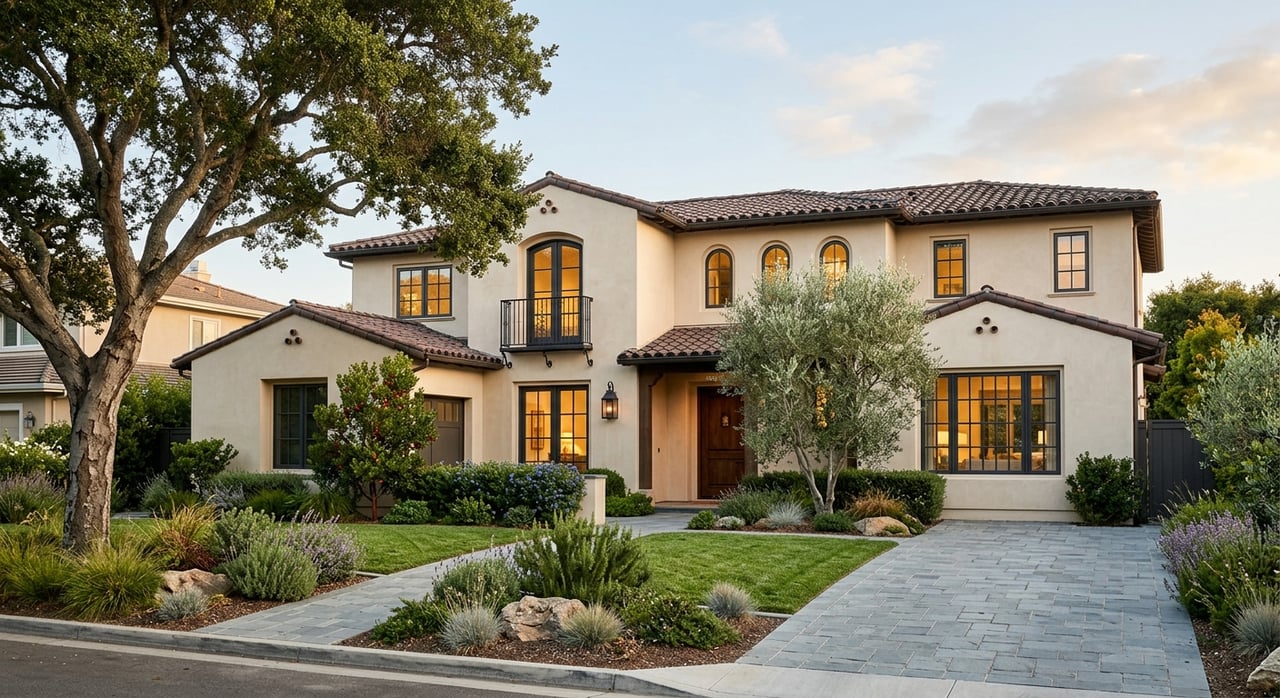
For many buyers, the biggest draw is space. Census and county housing data show that 68.0% of homes are owner-occupied, and 68% of the housing stock is made up of one-unit detached homes.
In practical terms, that often means you may find more detached houses, driveways, and private outdoor space here than in denser inner East Bay condo markets. If you want a home that feels less compressed, Contra Costa County may give you more options.
The county had 423,342 housing units in 2020, with 96% occupancy. That points to a large, active housing base, but also one where demand remains meaningful.
Home Prices and Value
Contra Costa County is still part of a high-cost Bay Area market, but it tends to be more affordable than San Francisco. Recent market data shows a median sale price of about $808,000 in Contra Costa County over the three months ending April 2026, compared with about $1.66 million in San Francisco County during the same period.
That price gap is one reason many buyers look east. You may still be buying in a competitive region, but you could get more home for your money than you would in some closer-in Bay Area markets.
The median value of owner-occupied homes in the county is $866,800, according to Census data. That figure helps frame Contra Costa as a place that can offer relative value in the Bay Area, not low prices.
Contra Costa Centre and Transit-Oriented Living
If you want a more connected, mixed-use setting, Contra Costa Centre deserves a closer look. County planning identifies it as a specific-plan area, and the county says the Pleasant Hill BART leasing area was created to support a mixed-use community with residential, employment, and retail uses around the station.
This is an important distinction because not every part of Contra Costa County is built the same way. In and around Contra Costa Centre, you may find a more transit-linked lifestyle than you would in lower-density parts of the county.
BART says the Pleasant Hill / Contra Costa Centre station brings together BART, buses, Highway 680, and the Iron Horse Trail. For buyers who want easier regional access without relying entirely on a car, that can be a meaningful advantage.
Commute Tradeoffs to Know
Commute is one of the biggest questions to answer before you move. Census Reporter places the county’s mean travel time to work at 37.7 minutes, and regional transportation data says Contra Costa residents had the longest average commute time in the Bay Area in 2024 at 38 minutes.
That does not mean every resident has a long commute. It does mean you should think carefully about where you work, how often you need to be there, and whether a hybrid schedule could make the move more comfortable.
Regional data also says about 57% of employed Contra Costa County residents work within the county. In other words, many people stay local for work, but a large share still commute into neighboring counties.
Transportation Options Across the County
Contra Costa County has broad regional access. The county transportation plan says residents can get around by road, passenger and freight rail, water, and air, and transit options include two BART lines, Amtrak routes, local and express buses, and ferry service.
The county also identifies Interstate 80 and Interstate 680 as the main north-south corridors, with State Route 4 as the principal east-west corridor. If you drive often, those routes will shape your daily routine.
In central Contra Costa, County Connection provides fixed-route and paratransit service in communities including Concord, Pleasant Hill, Martinez, Walnut Creek, Clayton, Lafayette, Orinda, Moraga, Danville, San Ramon, and nearby unincorporated areas. That range gives many residents options beyond driving alone, even if a car is still part of everyday life.
Climate Can Change by Area
One of the most overlooked parts of moving to Contra Costa County is climate. Conditions can shift noticeably from bayside areas to inland communities.
NOAA climate normals for Richmond show midsummer average temperatures around 63 to 64 degrees. At the same time, National Weather Service Bay Area discussions note that inland East Bay valleys can reach the 80s and, during hotter periods, the lower to middle 90s.
That means you should not think of the county as having one uniform climate. If you are used to San Francisco or parts of Oakland, moving farther inland may mean less fog, more sun, and more summer heat.
Outdoor Access Is a Major Plus
If you value parks, trails, and time outside, Contra Costa County has a lot to offer. The county says it has more than 1,200 miles of hiking trails across dozens of parks.
The East Bay Regional Park District spans 73 parks and more than 125,000 acres across Alameda and Contra Costa counties. Mount Diablo State Park alone has about 20,000 acres and 160 miles of trail.
For many buyers, this is a real lifestyle benefit. You may be trading a shorter commute or denser walkability for easier access to open space, trail systems, and weekend recreation.
Amenities Depend on the Area
Amenities are not distributed evenly across the county. More developed centers tend to offer the strongest mix of shopping, services, transit, and everyday convenience.
For example, the Contra Costa Canal Regional Trail links Martinez, Pleasant Hill, Walnut Creek, and Concord while connecting to local parks. BART describes Walnut Creek as the county’s business and arts hub, which helps explain why some buyers focus there for a more active, central feel.
The county library system also operates 26 branches. That may sound simple, but it adds to daily livability across many communities.
Is Contra Costa County a Good Fit for You?
Contra Costa County may be a strong fit if you want more housing space, a suburban or mixed suburban-transit setting, and strong access to parks and trails. It can also make sense if your work setup is flexible or your routine does not require a short daily trip into San Francisco.
It may be a harder fit if you want dense, transit-first urban living for most of your daily routine. It can also be tougher if a very short commute is your top priority.
The key is to narrow the question. Instead of asking whether Contra Costa County is right for you, it is usually better to ask which part of Contra Costa County best matches your budget, commute, and lifestyle.
What to Consider Before You Move
Before you make a decision, focus on the factors that will shape your daily life most:
- Your work location and weekly commute pattern
- Whether you want a detached home, condo, or mixed-use setting
- How important private outdoor space is to you
- Whether you prefer milder bayside weather or warmer inland conditions
- How much you value proximity to BART, major highways, and trails
- Which amenities matter most in your routine
A county this varied rewards buyers who get specific. The more clearly you define your must-haves, the easier it becomes to identify the right community.
If you are exploring a move within the East Bay or comparing Contra Costa County with Oakland, Berkeley, or other nearby markets, working with someone who understands those cross-market tradeoffs can make the process much clearer. When you are ready to talk through your options, connect with Felicia Duncan.
FAQs
Is Contra Costa County more affordable than San Francisco?
- Recent market data shows Contra Costa County had a median sale price of about $808,000, compared with about $1.66 million in San Francisco County over the same period, so it is generally less expensive while still being part of a high-cost Bay Area market.
What is the housing style in Contra Costa County?
- County and Census data show that single-family detached homes are the predominant housing type, with 68% of units classified as one-unit detached structures.
How long is the average commute in Contra Costa County?
- Census Reporter places the county’s mean travel time to work at 37.7 minutes, and regional transportation data reports an average of 38 minutes in 2024.
What is living near Contra Costa Centre like?
- Contra Costa Centre is tied to the Pleasant Hill / Contra Costa Centre BART area and is planned as a mixed-use community with residential, employment, and retail uses around the station.
Does Contra Costa County have good outdoor access?
- Yes. The county says it has more than 1,200 miles of hiking trails, and the regional park system and Mount Diablo State Park add extensive parkland and trail access across the area.